

EDITORIAL
YouTube Has Changed Podcasting in the UK – And 2026 is the year it became official!

For years, podcasting has been an audio medium with a video option. In 2026, that relationship has changed.
There have been plenty of big developments in podcasting this year. AI continues to reshape production and discovery, broadcasters are investing heavily in digital audio, and creators are finding increasingly inventive ways to turn podcasts into businesses.
But the biggest change in UK podcasting in 2026 may be something far more fundamental: YouTube has become the country’s leading platform for podcast consumption.
According to new research from Edison Podcast Metrics UK, 29% of weekly UK podcast listeners now say YouTube is the service they use most for podcasts, narrowly overtaking Spotify on 28%. It is the first time YouTube has taken the number one position in the UK.
On the surface, a one-percentage-point difference might not sound like a revolution. But it represents a much bigger shift in how audiences discover and consume podcasts.
For years, the standard podcasting model was straightforward. Record an episode, upload the audio, distribute it through the major podcast platforms and use social media to promote it. Video was often treated as an additional piece of content for those creators with the time, money, and inclination to produce it.
That model is rapidly disappearing.
Today, a podcast episode can be simultaneously an audio programme, a full-length YouTube video, a collection of short-form clips, a TikTok, an Instagram Reel, and potentially even a piece of television.
The podcast is becoming less of a finished product and more of a content engine.
The television effect
One of the most interesting aspects of YouTube’s growth is where people are watching it.
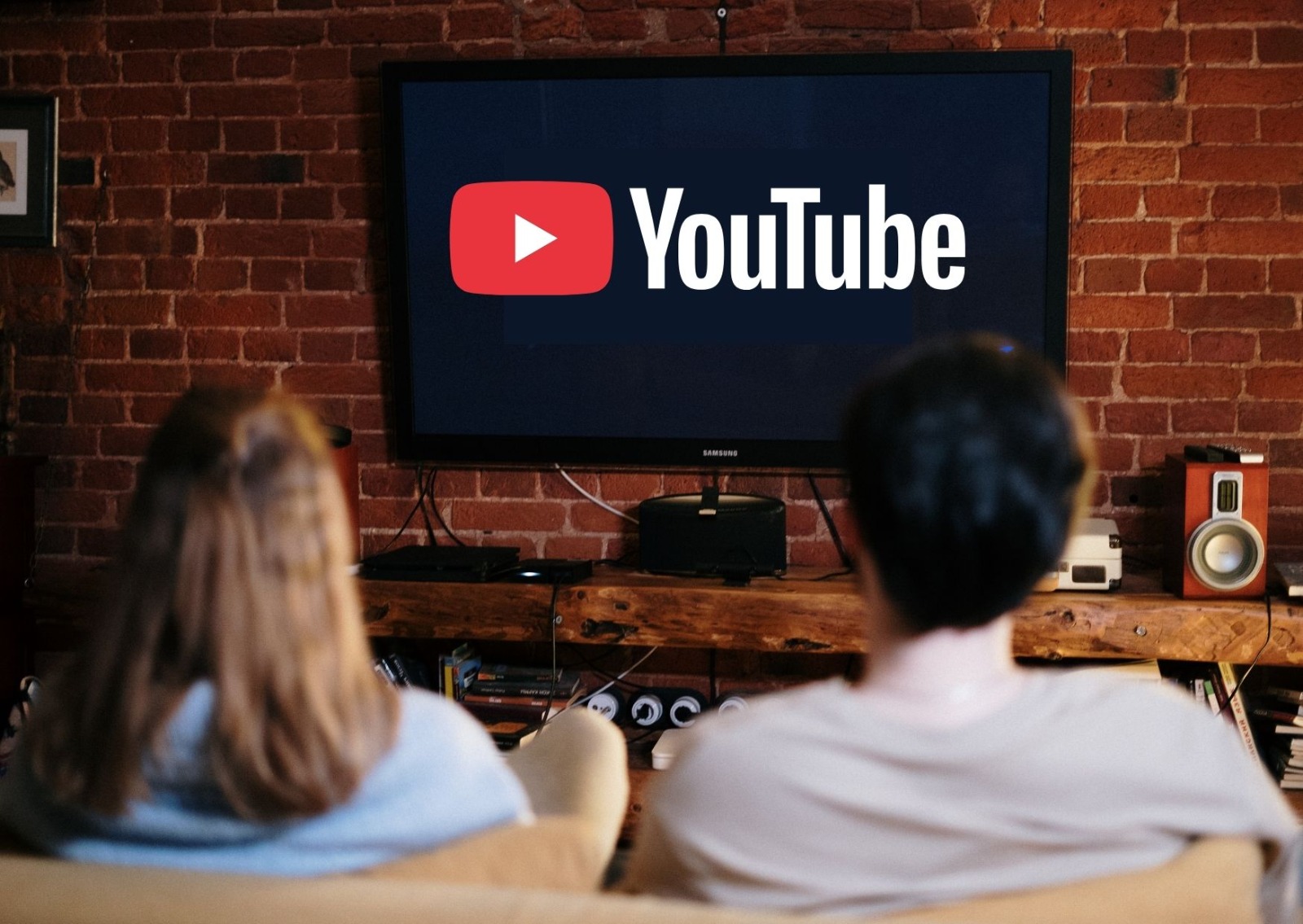
YouTube is no longer primarily something we consume on a phone or laptop. Increasingly, it is competing directly with traditional television. Ofcom’s latest research shows that YouTube viewing on television sets has doubled since 2022.
That has enormous implications for podcast creators.
A podcast studio that might once have been designed purely around sound quality now has to work visually too. The set matters. Lighting matters. Presentation matters. Guests matter. And increasingly, the thumbnail sitting alongside an episode can determine whether somebody watches it at all.
In other words, podcasters are starting to think like television producers.
But unlike traditional television, they don’t necessarily need a television network behind them.
That is perhaps the most exciting part of this change. Audio isn’t going anywhere. It would be easy to look at YouTube’s rise and conclude that podcasting has become a video medium. The reality is more interesting.
Audio remains incredibly powerful. Ofcom’s research shows that more than a quarter of UK adults listen to podcasts each week, while Edison reports that the vast majority of UK podcast consumers still listen to audio-only podcasts.
The future therefore isn’t necessarily audio versus video.
It is audio and video.
Listeners want different things at different times. They might watch a long interview on the television in the evening, listen to the same podcast while driving the following morning and discover the next episode through a 60-second clip on YouTube or Instagram.
The platform becomes less important than the relationship with the creator.
A new opportunity for independent podcasters
For independent creators, this shift could actually be good news.
You no longer have to compete solely on the traditional podcast charts. You can build an audience through YouTube search, recommendations, Shorts and social media before a listener has ever subscribed to your podcast.
And you don’t necessarily need millions of people. A podcast aimed at a very specific audience can be commercially valuable if it attracts the right audience.
That changes the question creators should be asking. Instead of simply thinking, “How many downloads did our latest episode get?”, the bigger question becomes: “How many different ways can we get people to discover and engage with our content?”
The best podcasts of the next few years are likely to be those that understand this shift and build their entire strategy around it.
The podcast just got bigger
There is a temptation to describe YouTube’s rise as the death of traditional podcasting. It isn’t. Podcasting hasn’t become less important. It has become much bigger than the traditional definition of a podcast.
The most successful shows increasingly operate as media brands. The podcast may sit at the centre, but around it are YouTube channels, social content, newsletters, live events, sponsorships, merchandise, books, television deals, and communities.
And that may ultimately be the biggest development of all. YouTube hasn’t killed podcasting. It has forced the industry to rethink what a podcast actually is.
In 2026, the podcast is no longer simply something you listen to. It is something you can watch, share, discover, follow, and become part of.
And for an industry that has always been remarkably good at adapting, that could be the most important change yet.