



EDITORIAL
Has Podcasting Lost Its Voice?

Are celebrity podcasts and big-business-backed media brands leaving the little voices lost in the ocean?
There was something wonderfully democratic about podcasting when it began. You didn’t need a broadcasting licence, a television network, a production company, a famous surname or a commissioning editor sitting in an office deciding whether your idea was worthy of an audience. You needed a microphone, something to say, and the determination to press record.
That was the magic.
Podcasting gave ordinary people the ability to become broadcasters. It created communities around subjects too niche for traditional media and allowed completely unknown voices to build audiences from their bedrooms, kitchens, and spare rooms.
But in 2026, something feels different. Podcasting has become big business. And as the industry has grown, so has the amount of money, celebrity, and corporate power flowing into it. The question is whether the very thing that made podcasting special is now being squeezed out.
The celebrity problem
Look at the top of the podcasting world and it is increasingly populated by people who were already famous before they ever pressed record: actors, footballers, television presenters, entrepreneurs, influencers, and comedians.
And why wouldn’t it be? If you already have millions of followers, a podcast is an extraordinarily powerful way of turning that audience into something you own.
The numbers at the top end are extraordinary. In the UK, The Diary of a CEO has become one of the country’s biggest podcasts, while Goalhanger’s The Rest Is… shows demonstrate how a professionally backed podcast company can build enormous audiences across multiple franchises. Ofcom’s research shows that podcasting continues to grow, with 27% of UK adults now listening every week.
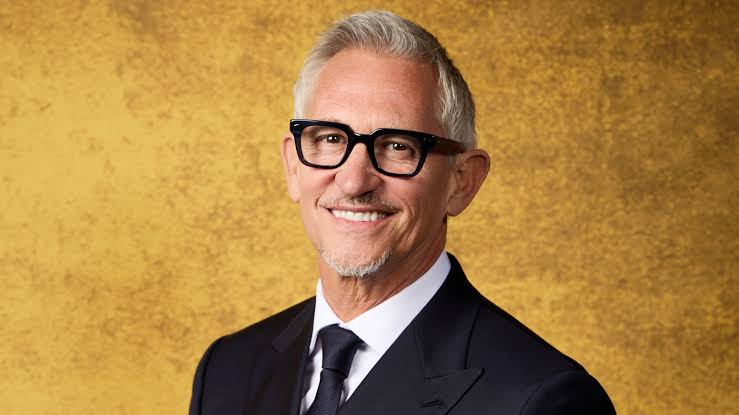
Gary Lineker, co-founder and co-owner of Goalhanger
And the money following those audiences is becoming increasingly serious. The Overlap, for example, has developed from a podcast and YouTube channel into a major sports media business, recently agreeing a multimillion-pound content deal with Disney+.
This isn’t really podcasting anymore. It’s a media industry. And media industries tend to favour scale. But what happens to the little guy?
The problem isn’t that celebrities make podcasts. Some of them are brilliant. The problem is discoverability.
Imagine launching a podcast about something you genuinely love. You’ve spent weeks coming up with the concept, bought the microphones, learned how to edit, recorded ten episodes, and convinced your mate to co-host. You finally publish it.
And then you discover that you’re competing for attention with a footballer who has five million followers, a celebrity who can get almost any guest in the world, a production company with a social media team, and a broadcaster with a marketing budget.
That’s a very different proposition from the podcasting landscape of 15 years ago.
The barrier to making a podcast has never been lower. The barrier to being discovered may never have been higher. And that distinction matters.
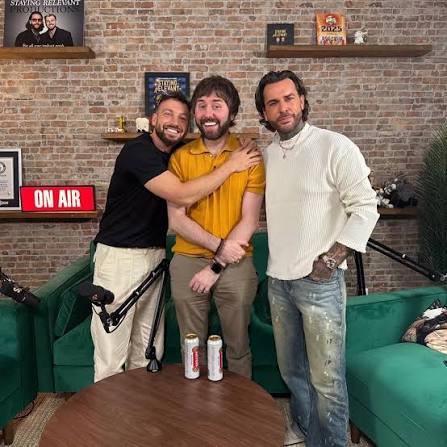
Sam Thompson (left) and Pete Wicks (right) from the Staying Relevant Podcast, pictured with James Buckley (middle)
The great podcast ocean
The UK podcast market is enormous, but it is also becoming increasingly concentrated. A relatively small number of major shows now attract a huge proportion of the available attention.
That creates a fascinating paradox. There are more podcasts than ever. More creators. More subjects. More voices. More choice. Yet a disproportionate amount of attention is being captured by a relatively small number of shows.
It is becoming an ocean in which there are millions of fish, but a handful of enormous whales are taking up a lot of the water.
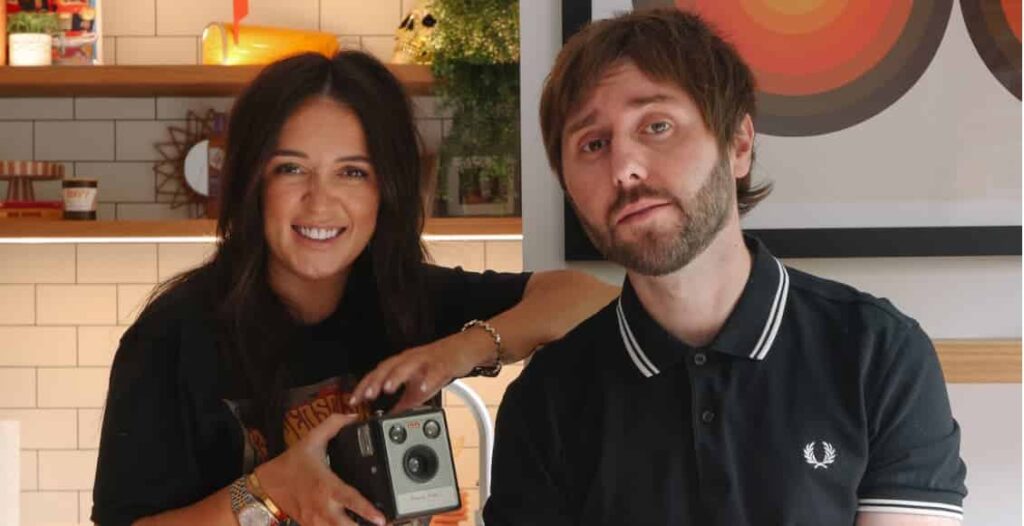
James and Clair Buckley, who co-host The Buckleys podcast
Has podcasting become the new television?
Perhaps the bigger change is that podcasting is no longer being treated as an alternative to mainstream media. It is mainstream media.
The biggest shows now have agents, production companies, advertising sales teams, studios, editors, researchers, social media departments, and increasingly, deals with major streaming platforms. That brings enormous opportunities. But it also creates a philosophical problem.
Podcasting was originally exciting because it didn’t matter who you were. You could start a show because you were obsessed with gardening, UFOs, football in the 1980s, obscure horror films or your local pub. You didn’t need permission.
Now, the industry increasingly rewards the things traditional media has always rewarded: existing fame, money, access, and scale.
That doesn’t mean independent podcasts can’t succeed. They absolutely can. But they may have to be better than the big shows simply to get noticed. And maybe that’s the opportunity.
There is another way of looking at this. Perhaps the growth of celebrity podcasting doesn’t destroy independent podcasting. Perhaps it makes genuinely independent voices more valuable.
Because eventually audiences get bored. There are only so many celebrity interviews. Only so many famous people sitting around a table. Only so many conversations about success, relationships, football, money, and mental health.
The thing celebrities often can’t manufacture is authentic obsession. The person who has spent 25 years studying an obscure subject can know more about it than any celebrity ever could. The local journalist who understands their community can tell stories nobody else can. The specialist with an audience of 5,000 people who absolutely adore what they do may ultimately be more valuable to a specialist advertiser than a celebrity with a million passive listeners.
And that might be the future of independent podcasting. Not trying to beat the celebrities at their own game. Doing something the celebrities can’t do.
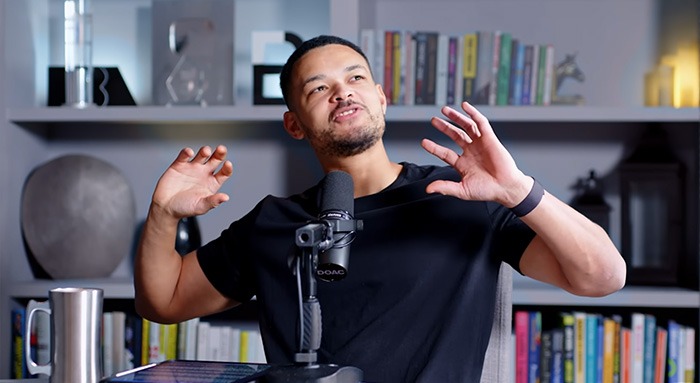
Steven Bartlett from The Diary of a CEO podcast
Don’t lose the reason podcasting existed
The danger is that podcasting becomes so obsessed with scale that it forgets why people loved it in the first place.
It wasn’t polished studios. It wasn’t celebrity guests. It wasn’t multimillion-pound content deals.
It was two people talking about something they cared about. It was discovering a voice you’d never heard before. It was finding a community you didn’t know existed. It was intimacy. It was personality. It was the feeling that somebody had made something specifically for you.
The irony is that podcasting may now be facing the same problem that radio and television faced before it. The industry has become successful enough to create its own gatekeepers. But perhaps the greatest strength of podcasting is that the gate is still open. The challenge for the industry is making sure people can still find their way through it.
Because somewhere beneath the celebrity podcasts, the giant networks, the streaming deals and the enormous production budgets are thousands of brilliant little shows being made by people with something genuinely interesting to say.
They don’t need millions of pounds. They don’t even necessarily need millions of listeners. They just need a chance to be heard.
And perhaps the future of podcasting depends on making sure the ocean remains big enough for the little voices too.